Back when I first dabbled in content creation, it felt like shouting into the void. Blogs were mostly text-heavy, social media was in its infancy, and the idea of a viral video seemed too far-fetched. Yet, even then, I could sense the power of a well-crafted story, a helpful tutorial, or a perfectly timed meme to truly connect with my small number of followers.
The importance of content creation in marketing and communication has only skyrocketed since then. It’s what powers websites, drives engagement, and shapes new trends. Content creation isn’t just about the words we write or the images we share. It’s about forging genuine connections in an increasingly digital world.
Technology has only revolutionized this art form. From AI-powered writing tools to platforms that let anyone become a video editor, the barriers to entry have lowered. While this makes it exciting, it also emphasizes the need for strategy and an understanding of the timeless principles that make content truly stand out.
Whether you’re a seasoned pro or just starting out, this guide will arm you with the knowledge and tools to create content that leaves a mark.
What is content creation?
Today, you might’ve heard countless individuals say, “I’m a content creator,” or “Here’s how I made X amounts of money by creating content.” It’s a popular buzzword in today’s world of social media and influencers.
But what is content creation?
At its core, content creation involves taking your ideas and crafting them into various media formats so you can share them with your target audience. In content creation, your end goal is to create valuable and engaging content that resonates with your audience.
But content creation is not merely churning out one article or photo after another; it has to have a specific purpose. This can include building brand awareness by creating content that aligns with and reinforces your company’s image, values, and messaging.
You can also create insightful content that establishes you or your brand as an expert in your niche. You can even provide tutorials, guides, and resources to help customers understand your products, services, or industry.
Or you can simply provide entertaining content to amuse your audience. Now, don’t underestimate this, as some of the most successful content marketing strategies utilize this form of content creation.
No matter the purpose, content creation can support your overall business goals. It can help you increase website traffic, nurture potential customers, and close deals.
Level up your message with different types of content
Choosing the right content formats is like having a whole toolkit for getting your message across! Let’s break down the top contenders:
- Text – Blog posts, articles, website copy – text is the workhorse. It’s great for explaining ideas, sharing knowledge, and (this is key for SEO) giving search engines something to understand. Pro Tip: Keep it scannable with short paragraphs, headings, and bullet points!
- Video – From demos and explainers to snappy social media clips, video grabs attention and makes things easy to digest. Video transcripts and captions make it SEO-friendly too.
- Audio – Audio platforms are growing fast and are a source of potential new audiences you can tap into. Podcasts, voiceovers, and even audio versions of articles let people learn while multitasking.
- Graphics – Infographics, charts, and social media images—visuals break up text and make information stick.
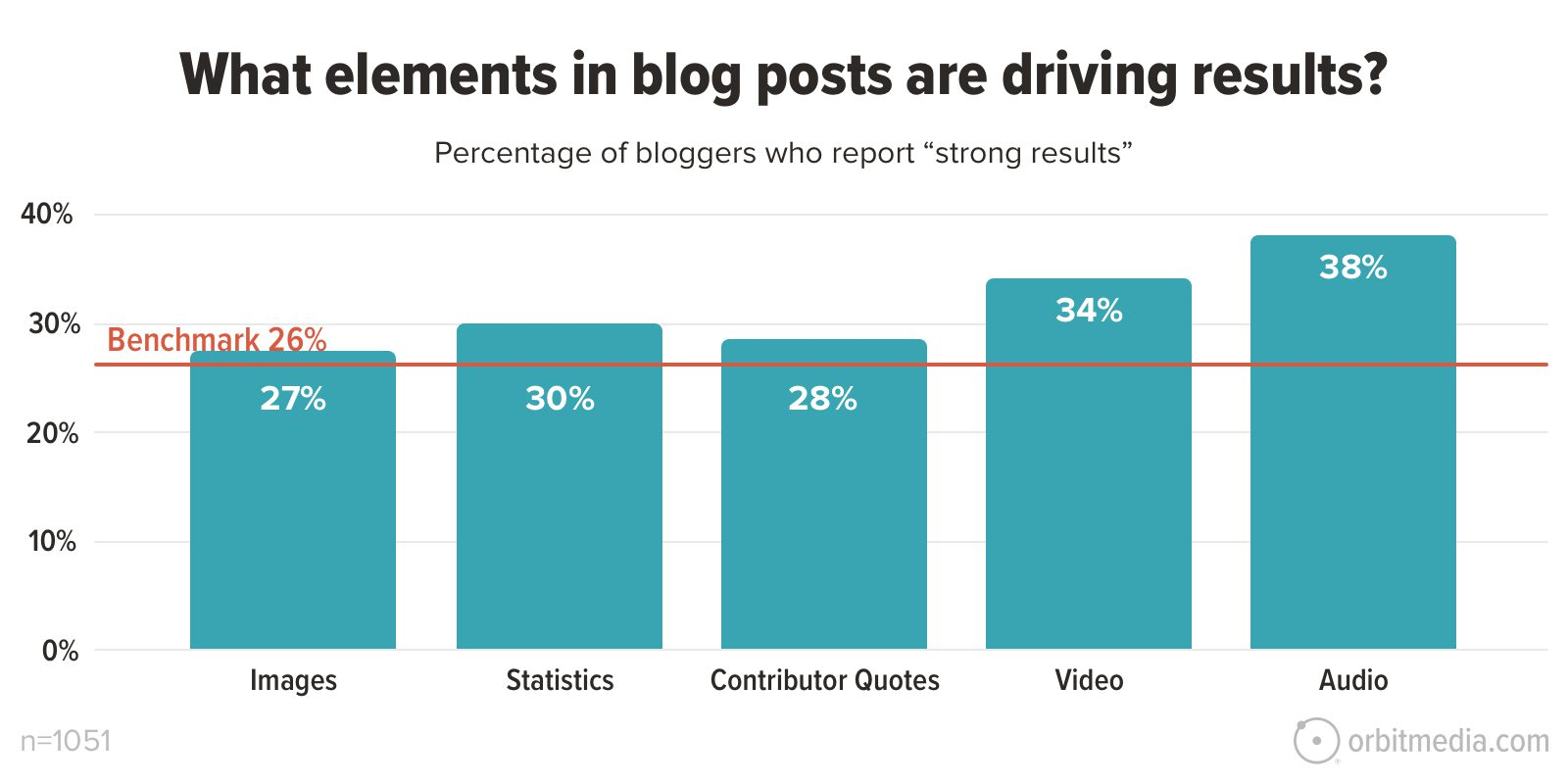
The winning combo? A Mix! The best strategy often uses a combination of these formats. An article with a quick explainer video embedded? That’s content gold!
Digital content creation
While content creation can span different channels, digital media is the most popular format.
Blogs & Websites: These platforms house long-form content like articles or tutorials that demonstrate your expertise. Websites also include essential “About Us” and product pages. Both are crucial for SEO, aiding search engine understanding. Content management systems like WordPress simplify their creation.
Social Media: Platforms like Facebook, Instagram, Twitter, etc., let you build a community and directly engage with your audience. They also allow you to present your brand’s personality and connect with people interested in your niche.
These excel with short-form videos, images, and interactive posts. Social media success often hinges on understanding each platform’s strengths, algorithms, and audience demographics.
Additional Platforms
While blogs, websites, and social media are pillars, other platforms offer valuable opportunities:
- Video Platforms (YouTube, Vimeo): Ideal for long-form video content like tutorials, vlogs, and webinars. Video platforms have their own search functionality, adding to discoverability.
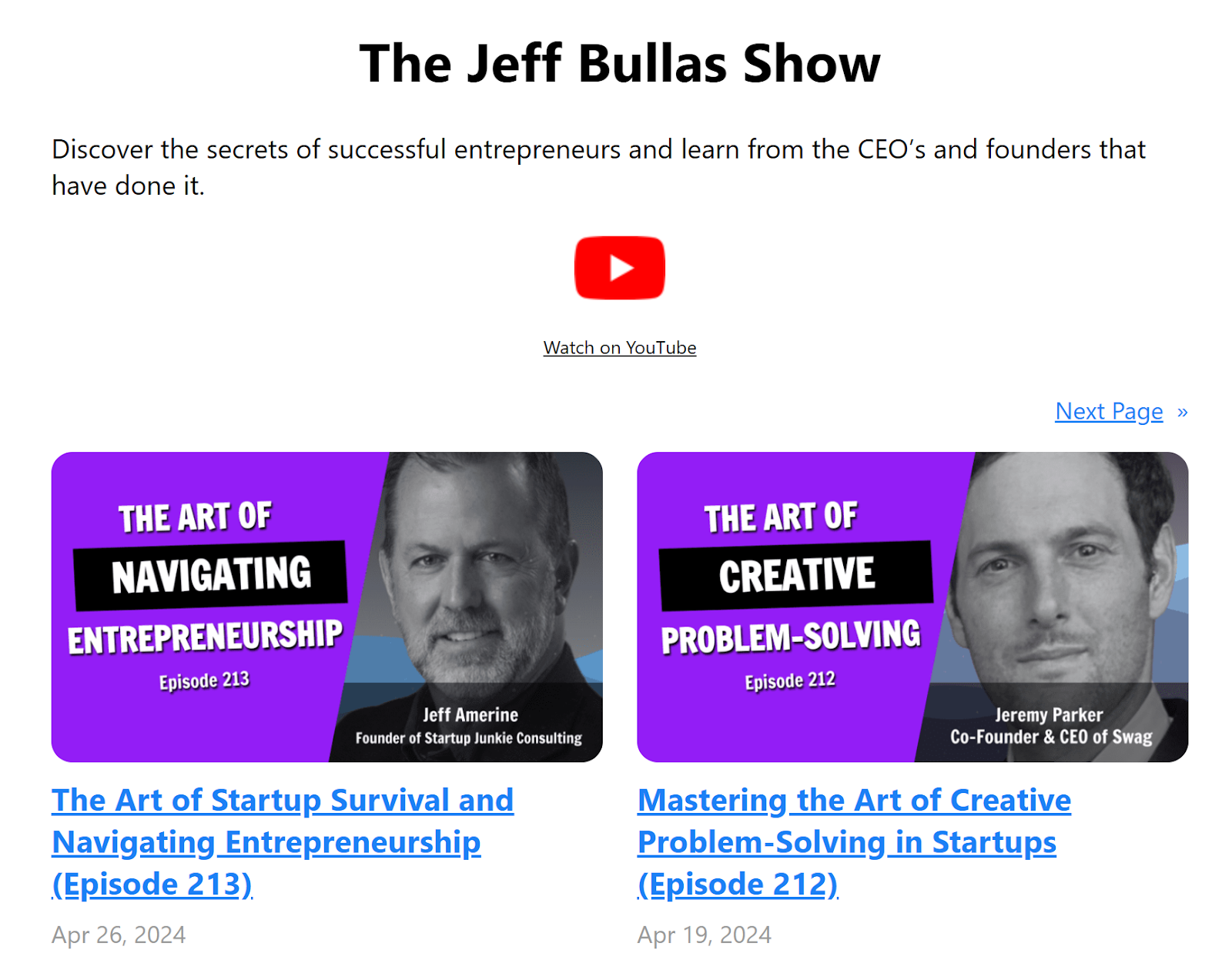
- Podcast Platforms (Spotify, etc.): Audio-centric platforms are excellent for building a loyal listener base through conversations, interviews, or narrative storytelling.
- Email Newsletters: While not strictly a content platform, email remains powerful for directly delivering curated content, announcements, and promotions to subscribers.
Tools of the trade
The right tools streamline your content workflows and enhance the quality of what you create. Let’s break down the essentials and some popular options:
Design & image editing
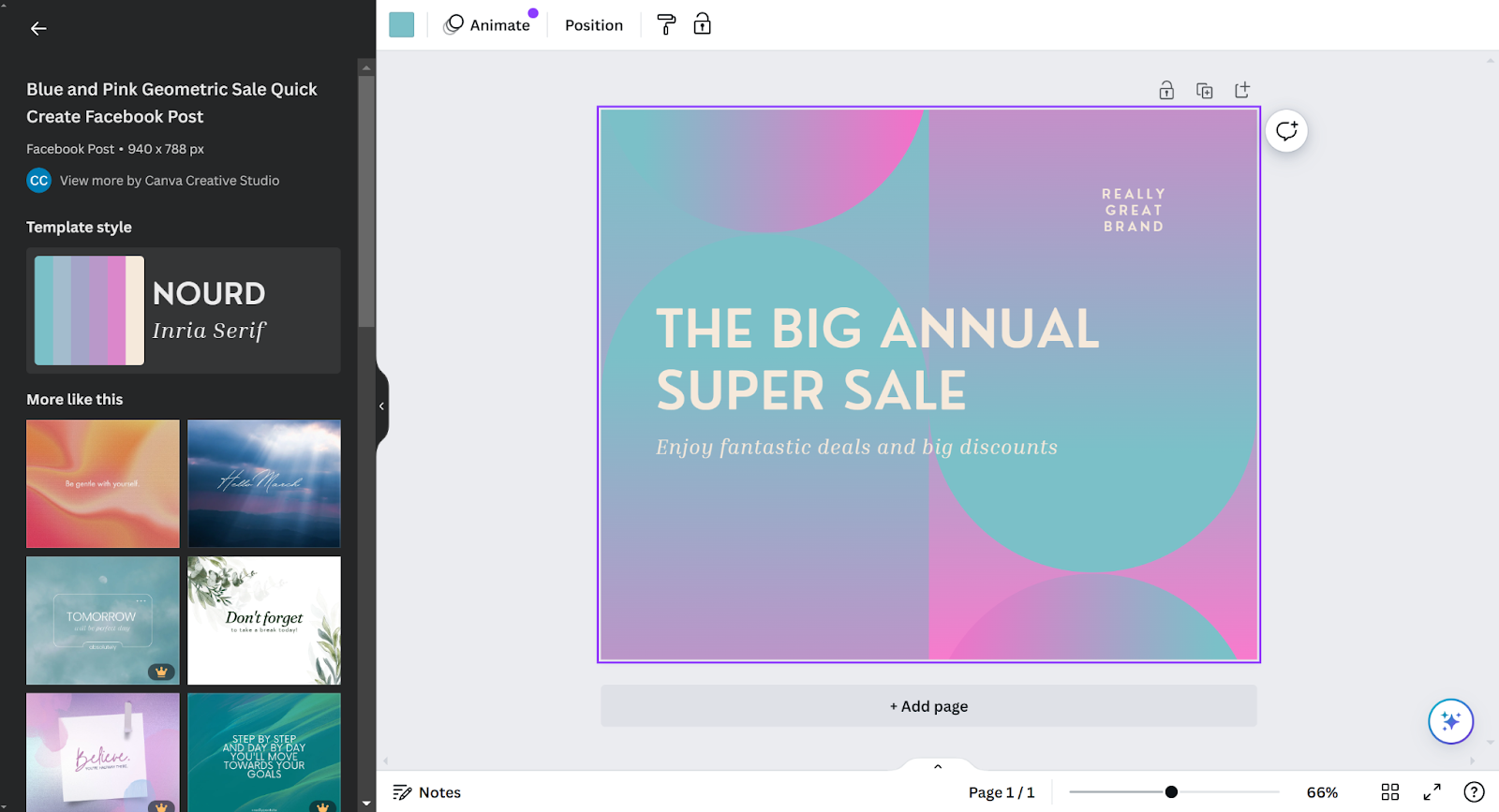
Visuals are incredibly powerful in capturing attention and conveying information. These tools allow you to create eye-catching graphics, infographics, social media images, and edit photos to enhance your content’s overall appeal.
- User-friendly design: Platforms like Canva offer intuitive drag-and-drop interfaces, templates, and vast image libraries, making it easy to create visuals even without design experience.
- Professional design: For advanced image manipulation, the Adobe Creative Cloud suite (including Photoshop) is the industry standard.
- Stock photos & graphics: Find free visuals on Unsplash or Pexels, or explore paid sites like Shutterstock for a wider selection.
Video creation & editing
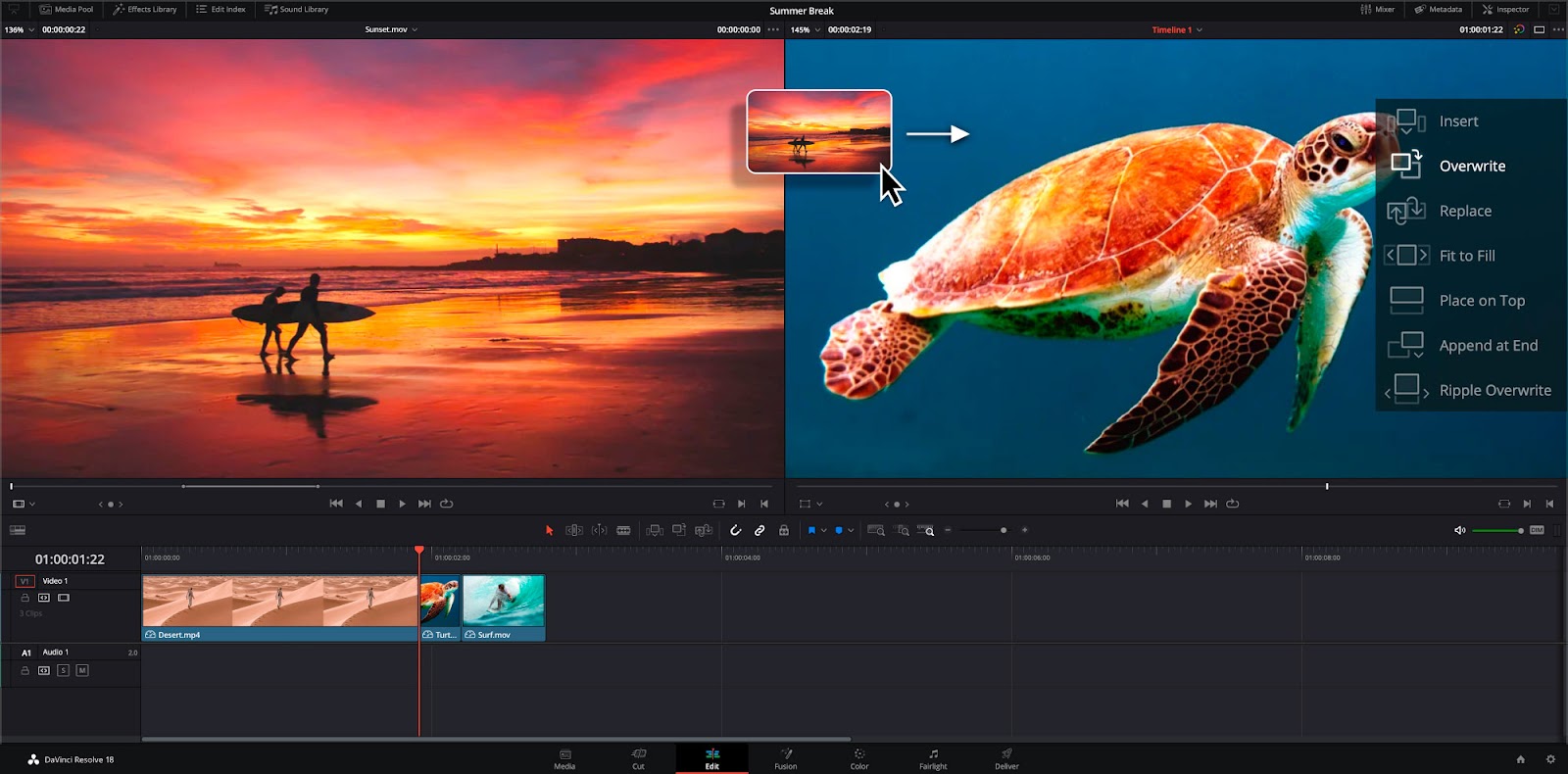
Video is one of the most engaging and shareable content formats. These tools enable you to assemble raw footage, add music, transitions, special effects, and titles, resulting in polished and compelling video content.
- Beginner-friendly: Tools like iMovie Resolve make video editing accessible with intuitive features and mobile-first options.
- Advanced Features: For complex projects or professional-level effects, consider DaVinci Resolve or Adobe Premiere Pro.
Audio recording & editing
High-quality audio is essential for podcasts, voiceovers, sound effects, and music production. These tools help you record clear audio, remove background noise, edit out mistakes, and create professional-sounding audio elements.
- Simple Editing: Audacity provides a free, versatile option for basic audio editing, voiceovers, and podcast production
- Professional Capabilities: For more complex audio projects or music production, Logic Pro X or Adobe Audition offer advanced features.
Content planning & organization

A well-organized content strategy maximizes your effort and ensures consistent output. These tools help you map out content ideas, set deadlines, schedule posts, collaborate with teams, and analyze your content’s performance.
- Project Management: Tools like Trello or Asana help break down content projects, assign tasks, and streamline workflows.
- Editorial Calendars: Manage your publication schedule effectively with dedicated tools like CoSchedule.
- Keyword Research & SEO: In-depth analysis tools like SEMrush offer extensive tools for keyword research, competitor analysis, and SEO audits, while Google Keyword Planner provides valuable insights at no cost.
Additional Specialized Tools
- Grammar & Style: Ensure polished, error-free content with the help of tools like Grammarly.
- Social Media Scheduling: Automate posting and analyze performance with platforms like Hootsuite.
Content creation strategy and ideas
As we mentioned, a successful content strategy isn’t about churning out random posts – it’s about aligning your content with your unique goals while providing real value to your audience. This often starts with the spark of a great idea.
Generating ideas for content creation
The key to a successful content strategy is a steady flow of fresh ideas that align with your audience’s interests and your business goals. Here are ways to tap into various sources of inspiration:
- Buyer personas: Detailed profiles of your ideal customer go beyond demographics. Understand their anxieties, daily hurdles, what motivates them, and what kind of content they find genuinely valuable.
- Social listening: Monitor online conversations on relevant forums, social media groups, and industry hashtags. What questions keep popping up? What are people frustrated with?
- Competitive analysis: Don’t just copy, but dissect the success of competitors’ content. What angles are they tackling? Where can you offer something different, more in-depth, or updated?
- Industry news & trends: Set up Google alerts, follow influencers, and subscribe to industry newsletters to stay on top of the latest happenings. How can you connect these to your brand’s expertise?
Tools and methods for brainstorming content topics
- Mind mapping: Begin with your core topic in the center. Branch out into subtopics, related keywords, and potential content formats. Visualizing connections helps spark new ideas.

- The “5 W’s and H”: Apply this classic framework (who, what, when, where, why, and how) to flesh out each potential idea with a more intentional viewpoint.
- Customer surveys/interviews: Get direct input from your target audience about their pain points, questions, and the type of content they find valuable.
- Content idea generators: Tools like Hubspot’s Blog Topic Generator offer prompts that can help you overcome any creative block.

- “What If” scenarios: Ask, “what if we combined these two topics?” or “What if we took a contrarian viewpoint?” to push beyond obvious content angles.
- Rapid ideation: Set a timer for a short burst (5-10 minutes) of freewriting ideas as fast as possible, judging them later. This combats perfectionism early in the process.
The role of AI in content creation
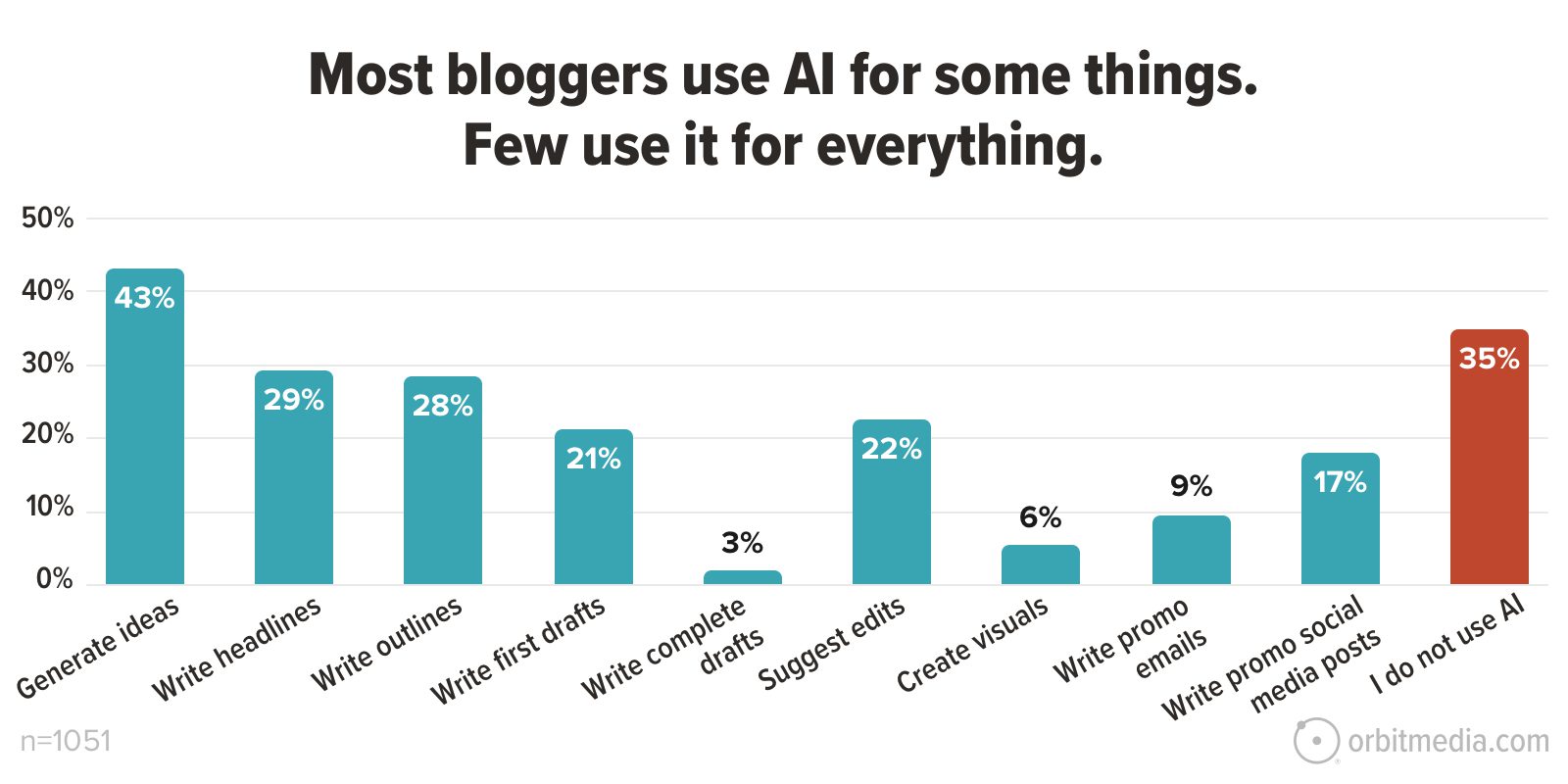
Artificial intelligence (AI) is rapidly changing how we create content. From idea generation to polishing the final product, AI tools are making the process faster, more efficient, and surprisingly creative.
From brainstorming unique angles and overcoming writer’s block to polishing drafts and even translating your work for a global audience, AI tools streamline the process. Some AI programs even assist with image and video generation, expanding your creative possibilities.
AI Tools for content creation
Some of the AI tools currently available to boost your content creation process include:
- Writing assistants: These AI text generators automate parts of the writing process, generate text, suggest edits, outline structures, rephrase text, and help with writer’s block. Examples include ChatGPT, Jasper, and Rytr.
- Idea generators: These tools spark creativity and explore new content angles. These analyze market trends, competitor content, and user search queries to suggest topics, headlines, or overall content outlines. These include Frase, Hubspot Topic Generator.
- Translation: Convert content into multiple languages to reach a wider audience. AI translation tools aim to maintain the original meaning and tone while adapting to different languages and cultural nuances. The most popular one is Google translate.
- Image and Video Generation: Create unique images and videos based on text descriptions. Users input prompts, and the AI generates a corresponding visual. These include DALL-E and Midjourney.
- AI Music Generators: These generators generate original music tracks, background scores, and sound effects based on mood, genre, tempo, and other parameters set by the user. Popular choices include AIVA and Soundraw.
AI content writers
AI content writers use artificial intelligence to generate various types of text-based content, from social media posts to full-length articles. While the process has its own merits, it also has downsides. It’s important that we take off our rose-colored glasses and have an unbiased look at these tools and their future implications.
Benefits of using AI for content writing
- Speed & Efficiency: AI can draft content at incredible speeds, handling repetitive tasks or providing a starting point to cut down on writer time.
- Scalability: Need a lot of content fast? AI tools excel at producing basic product descriptions, summaries, or social snippets at scale.
- Data-driven Insights: Some AI writers analyze data to help tailor content for SEO and target audiences.
- Overcoming Writer’s Block: AI can suggest ideas and different angles to jumpstart a stalled writing session.
Challenges of using AI for content writing
- Quality & accuracy: AI can struggle with nuance and complex thought, sometimes producing generic or factually incorrect output.
- Lack of creativity & originality: AI relies on existing data. It’s hard for it to truly innovate or match your unique voice and perspective. And with the number of people using AI tools, everyone’s content is starting to look and sound the same.
- Potential for over-reliance: AI should be a tool, not a full replacement for human writers’ critical thinking and storytelling skills.
What the future holds
There are fears and talk about AI eventually taking over. While AI tools may not become our overlords, ala the Terminator, some experts fear that certain jobs may be lost entirely as AI becomes more sophisticated—content creation being one of them.
But although this fear is warranted, there is a silver lining. AI excels at certain tasks but still requires human guidance and is more likely to become a content creator’s sidekick than a competitor. Audiences will continue to crave the emotional connection, originality, and expertise that only human content creators can provide.
The most successful content creators will likely be those who harness AI’s strengths while maintaining the irreplaceable human touch. You bring creativity, critical thinking, and social skills to the table, while AI will handle the rest.
Professional content creation services
In the hustle and bustle of handling the administrative and technical aspects of your business or brand, you often lack the time and resources for content creation. This is where professional content creation agencies step in.
Content creation agencies
Content creation agencies can help you bring your ideas to life by assembling a team of writers, designers, video producers, and strategists. Content creation agencies offer a variety of services, including:
- Content Strategy: Content creation agencies can give you a roadmap for content that aligns with business goals, target audiences, and brand voice.
- Copywriting: Agencies can help you craft compelling website copy, blog posts, email marketing content, product descriptions, and more.
- SEO Content Creation: Agencies can also help you write content optimized for search engines to boost visibility and attract organic traffic.
- Graphic Design & Visuals: Creating eye-catching social media graphics, infographics, presentations, and other visual assets.
- Video Production: From concept to final edit, agencies can produce engaging videos for marketing, tutorials, or social media.
- Content Editing & Proofreading: If you already have an existing pool of content, agencies can help you polish it for clarity, grammar, and overall quality.
How to choose the right agency for your needs
You can hire the best content creation agency, but they still might fail to help you reach your goals. This is because each agency is unique, and you have to choose the right partner to bring your vision to life. Here are factors to consider:
- Your goals: What do you want to achieve with content? Lead generation, brand awareness, etc.?
- Your budget: Content creation services can range in price. Be clear about your budget upfront.
- Their experience: Look at portfolios, testimonials, and niche specialties. Do they align with your brand?
- Their ethics: Choose an agency that’s responsive, collaborative, and understands your vision.
Social media content creation
I know you’re familiar with social media (who isn’t, right?). Flashy visuals, intriguing headlines, and clever videos all compete for your attention, so creating content that cuts through the noise is essential for any business, brand, or creator. Think of social media not just as a place to post, but as a stage to captivate and connect with your ideal audience. Effective social media content can foster community and drive meaningful interactions that enhance your brand’s presence.
Strategies for creating compelling social media content
Social media is all about understanding your audience and tapping into the ever-changing algorithms of each platform. Here are a few key strategies to make your content stand out:
- Understand your audience deeply
Go beyond demographics. What are their pain points, aspirations, and sense of humor? What kind of content makes them stop scrolling and actually engage? Use social listening tools and analytics to gain these insights, tailoring your content to address their needs and interests directly.
- Use the power of trends
Keep an eye on trending topics, memes, sounds, and formats, especially on fast-moving platforms like TikTok. Be careful not to force trends that don’t align with your brand, but finding authentic ways to participate can dramatically increase visibility.
- Be consistent
Posting regularly signals to both your audience and the algorithms that you’re an active presence. A content calendar helps you plan effectively, ensuring you have a steady stream of content ready to go and avoiding those creativity-zapping gaps.
- Repurpose smartly
Not every piece of content needs to be created from scratch. Can a long-form video become a series of Instagram reels? Can a blog post have tweetable quotes? Adapting your best content to different platforms and formats can help you get more mileage out of it.
- Humanize your brand
Social media is meant to be social! Share behind-the-scenes glimpses, highlight team members, respond to comments in a personable way, and let your brand’s unique personality shine through. People crave genuine connection.
Why visual and interactive elements matter
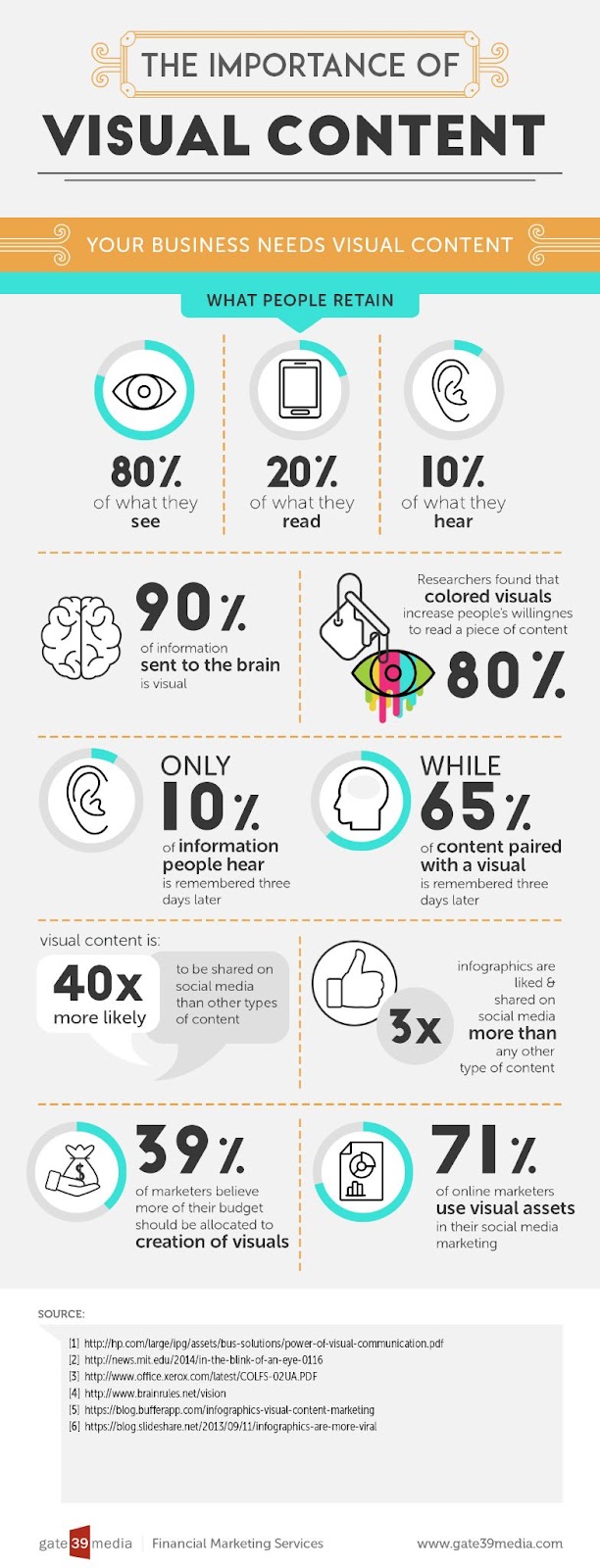
Social media is a fast-paced world. One blink, and you’ll miss a post! This is why strong visuals are important. Bold images, eye-catching colors, and short, snappy videos act as a stop sign and literally make people pause their scroll.
But it’s not just about looking good. You also have to leave a mark on people’s minds. Get people involved, and they’ll remember you. Carousels and infographics are like visual brain candy, delivering bite-sized information in an engaging way. Quizzes, polls, and contests can spark buzz around your brand.
Social media is your playground! Don’t be afraid to try new things, see what sticks, and figure out what makes your specific audience tick.
Content creation and SEO
Search engine optimization (SEO) and content creation are a powerful duo. SEO is the practice of aligning your content with what people search for and how search engines rank websites.
Content writing
Content writing is the foundation of content creation, focused on the production of written text for digital channels. To be successful at content writing, you have to observe three key elements:
- Structure: Well-organized content with clear headings and subheadings is easier to understand and helps search engines grasp your main points.
- Style: Your brand’s unique voice should shine through. Are you friendly and conversational? Authoritative and formal? Adapt your style to the platform and your target audience.
- Purpose: Every piece of content should have a goal. Are you aiming to educate, persuade, entertain, or do a combination of both?
Content writing vs. copywriting: what’s the difference?
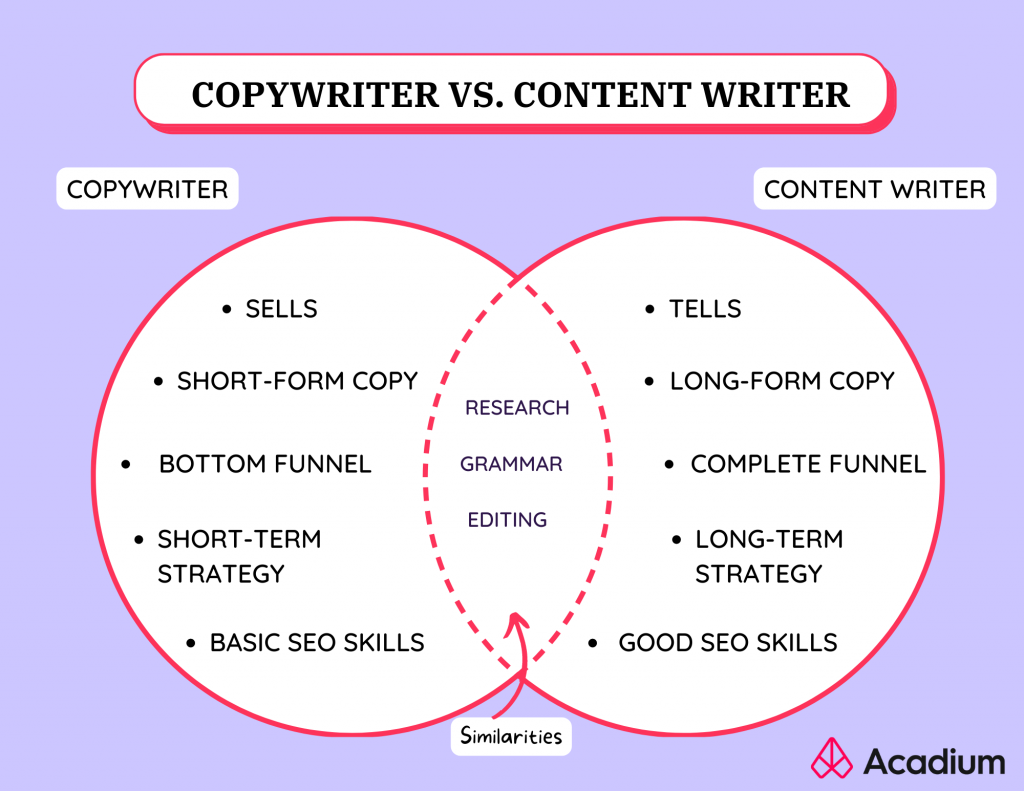
There’s a misconception that copywriting is the same as content writing. While the lines can sometimes blur, the two are actually very different.
Content writing focuses on long-form, informative content like blog posts, articles, and website pages. The goal is often to build authority and educate.
Copywriting, on the other hand, focuses more on shorter persuasive text like ads, email subject lines, or social media captions. The goal is to drive immediate action (clicks, purchases, etc.).
SEO content writing
SEO content writing is where the art of writing meets the science of search engines. It’s about more than just stuffing in keywords. To grasp SEO, picture this: Search engines are constantly sorting and ranking the internet’s vast library of content.
The role of SEO content creation is to create content worthy of a top spot on the shelf. This involves understanding how search engines “read” and evaluate your work and then crafting content that plays by those rules while still delighting your human audience.
Key SEO principles & techniques to boost your visibility
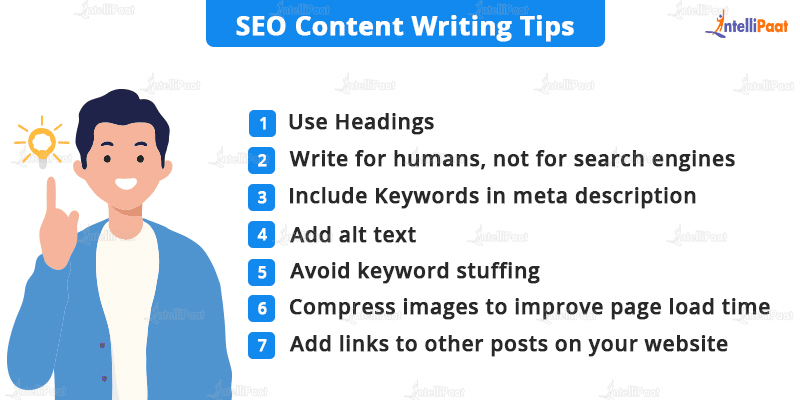
- Keyword Research & Intent: Discover the terms people search for and understand the reason behind those searches. Match the purpose of your content (and images!) to what people are searching for.
- Semantic Search: Use synonyms, related terms, and detailed descriptions (including image alt text!) to provide context for search engines.
- E-E-A-T: Demonstrate experience, expertise, authority, and trustworthiness through high-quality content, original visuals, and citations where appropriate.
- Content Freshness: Regularly update older content to maintain relevance and Update older content with new information and relevant visuals to signal to search engines that your information is current.
- Technical SEO: Ensure your site is fast, mobile-friendly, and has a clear structure. Compress images for faster load times.
- On-Page Optimization: Strategically use keywords in headlines, meta descriptions, and throughout your content (naturally!). Structure text with clear headings (H1, H2, etc.).
- Internal Linking: Guide users and search engines to more valuable content on your site with strategic internal links.
- Backlinks: Think of these as “votes of confidence” from other credible websites linking back to yours. High-quality backlinks signal to search engines that your content is credible.
Specialized forms of content creation
While original content serves as the backbone of your brand, there are other specialized forms of content that can bring other benefits to the table.
Curated content
Curated content involves carefully selecting, organizing, and sharing existing content (articles, videos, and social media posts) from other sources that are relevant to your audience. Think of yourself as an art gallery curator, assembling a collection around a specific theme.
But why does curated content matter? And won’t that take away from your own content?
Well, content curation opens up a world of possibilities. It’s a way to demonstrate your knowledge and insights, connect with other experts in your industry, and provide consistent value to your audience by exposing them to other perspectives. It’s a great way to save resources and fill the gaps in your content without creating it from scratch.
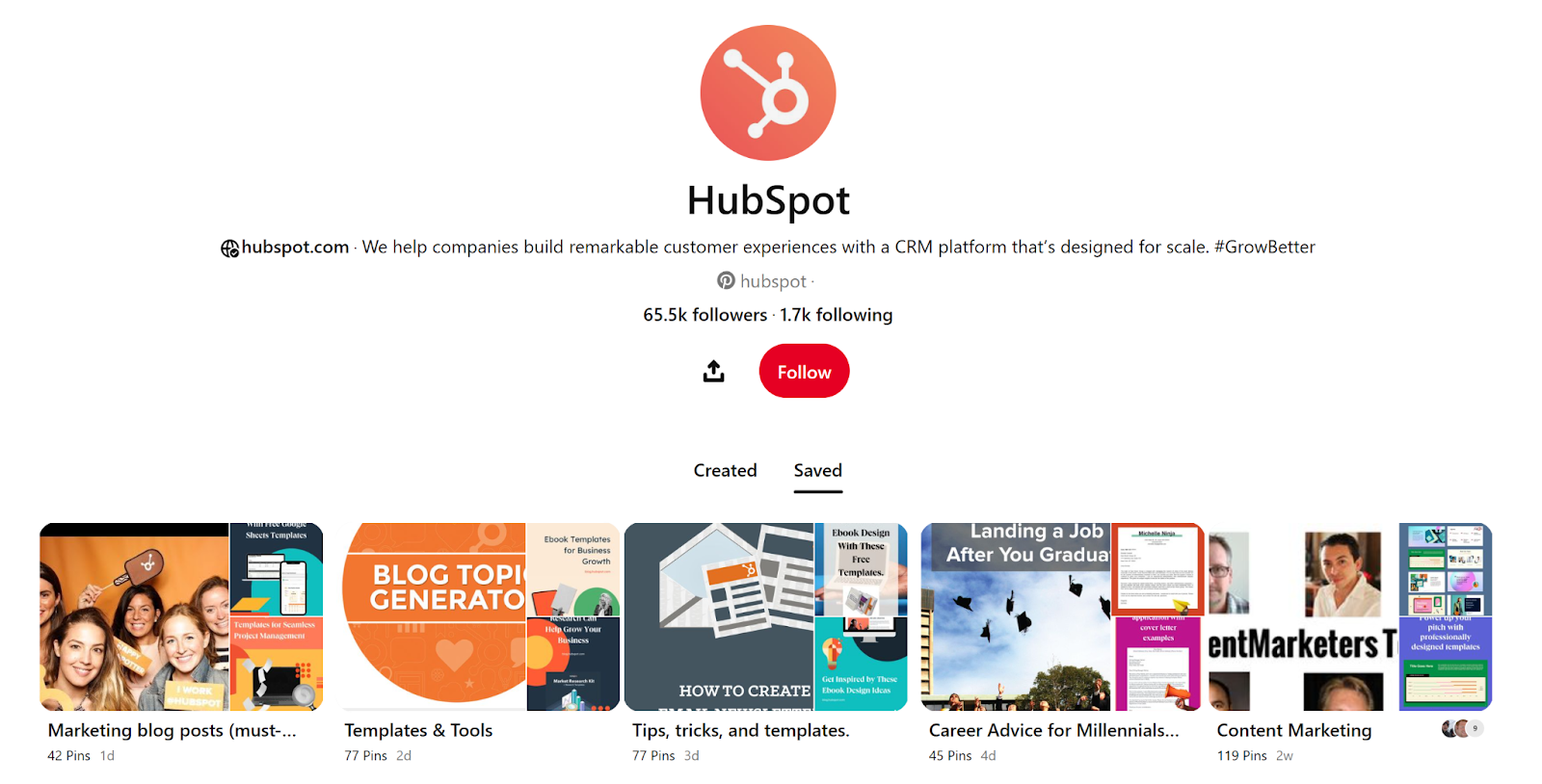
An example of a platform that lends itself to content creation is Pinterest, which allows you to “pin” other creators’ content as well as your own.
Best practices in content curation
Curating content effectively requires careful attention. Do it wrong, and you risk misrepresenting your brand. Do it right, and you’ll build trust. Here are the best practices to ensure your curated pieces stand out and offer actual value to your audience:
- Focus on Quality: Only share high-value content that aligns with your brand standards. Prioritize reputable sources, fact-check information, and only share content truly relevant to your audience.
- Add Your Voice: Don’t just repost! Provide context, commentary, or your unique take. Briefly explain why you chose the content, ask a question to spark discussion, or offer a respectful counterpoint if appropriate.
- Give Proper Credit: Always tag the original source and author. It’s ethical, helps build relationships, and shows that you care for your industry’s community.
- Use a Mix: Content curation shouldn’t replace original content creation. Aim for balance. Your original work showcases your unique expertise, and your curated content should only add to that.
User-generated content (UGC)
UGC is any content created and shared by your audience about your brand. This includes social media posts, reviews, testimonials, photos, or videos showcasing how they use your products or services.
To leverage UGC, start by creating branded hashtags for campaigns and contests and encouraging people to share their experiences with your products or services.
The benefits of using UGC
UGC is a powerful tool to humanize your brand, build trust, and spark a genuine sense of community. Here’s how to strategically leverage the content your audience creates:
- Authenticity & trust: Seeing real people using and loving your products or services is marketing gold. UGC builds trust faster than a polished ad campaign ever could.
- Boosts engagement: Featuring UGC sparks a ripple effect—it encourages others to share their own experiences, creating a cycle of positive interaction.
- Cost-effective content: Let your passionate customers do some of the marketing work for you! UGC provides a stream of fresh content without breaking the bank.
- Valuable insights: UGC offers a raw, unfiltered view of how your brand is perceived—the good, the bad, and the areas for improvement.
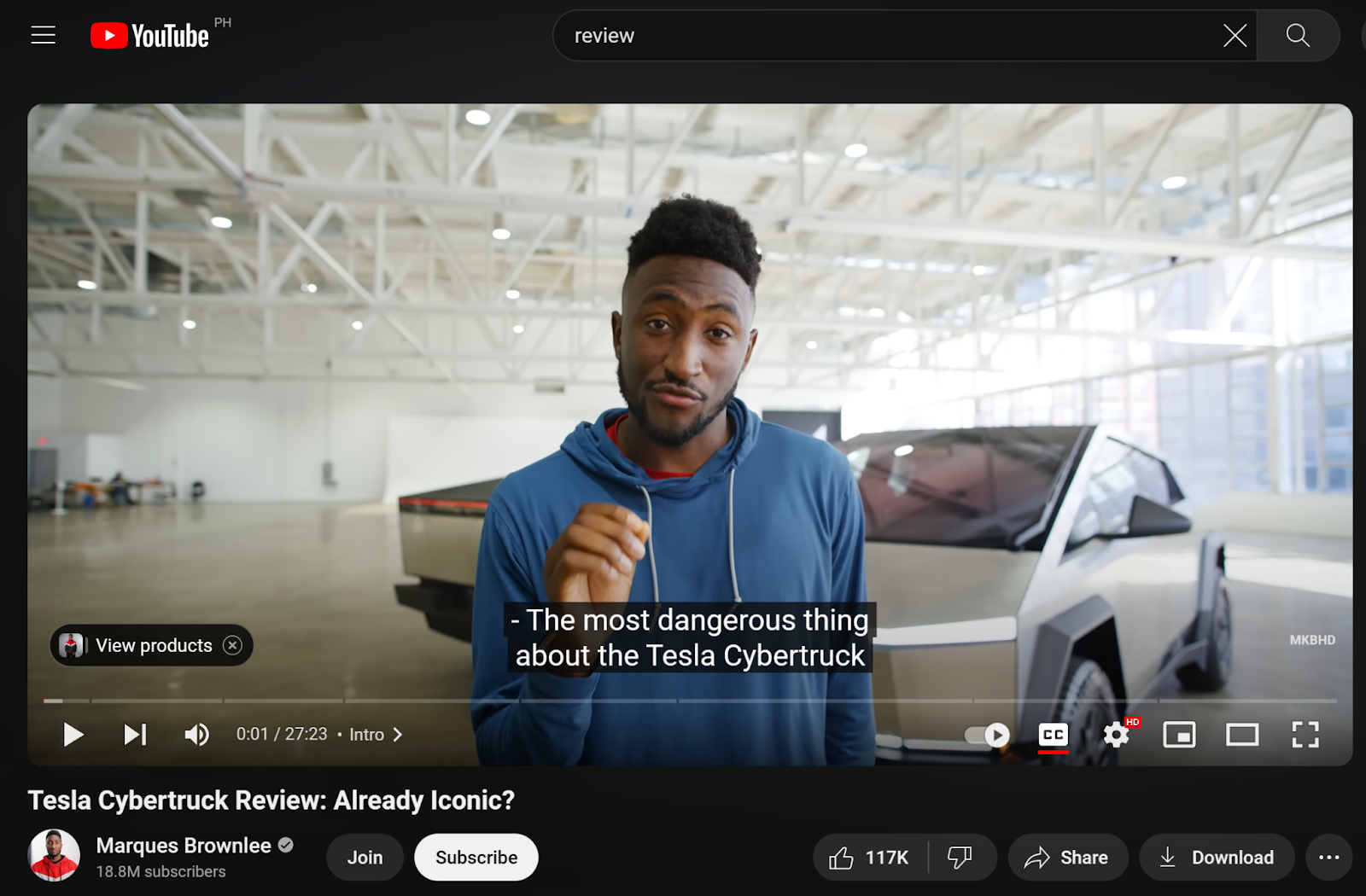
Product reviews on YouTube are a perfect example of user-generated content.
The challenges of UGC
While the benefits are undeniable, it’s important to approach UGC with a smart strategy to ensure positive results. Challenges include ensuring content aligns with your brand image, obtaining proper permissions, and addressing potential negativity. To mitigate these, have clear content guidelines, proactively seek permissions for reposting, and respond gracefully to constructive criticism. UGC styles might also be inconsistent, so light editing or branded templates can help maintain a cohesive look.
Content analysis and analytics
Content analysis is your secret weapon for creating content that truly works. By systematically examining your content (and your competitors!), you’ll uncover what resonates with your audience, track evolving trends, and identify which pieces are actually driving results. Think of it as replacing guesswork with data-driven insights.
Content analytics involves using data to understand how your content performs across your website, social media, and other channels.
Tools and techniques in content analytics:
- Web Analytics: Google Analytics (or similar) tracks website traffic, pageviews, bounce rates, and conversions linked to specific content.
- Social Media Analytics: Built-in insights on most platforms reveal engagement (likes, shares, comments), reach, and audience demographics.
- SEO Tools: Platforms like Ahrefs or SEMrush help analyze keyword rankings, backlinks, and how your content performs in search results.
Using analytics for content strategy improvement
The true power of analytics lies in taking action based on the insights you uncover:
- Find Top Performers: Analyze what content gets the most traffic, engagement, or conversions to understand what resonates with your audience.
- Identify Gaps: Spot topics your audience searches for that you haven’t yet covered – these are content opportunities!
- Repurpose & Optimize: Update old content with fresh data or repurpose popular content into different formats.
- Track & Improve: Analytics should be an ongoing process, allowing you to refine your content strategy over time.
Final thoughts
Content creation, the art of crafting written, visual, and interactive experiences, is the key to connecting with your audience in today’s world. We’ve covered essential content creation strategies. From understanding the power of SEO to harnessing user-generated content, remember that the most effective approach focuses on quality, connecting with your audience, and staying adaptable. The core principles of great content creation are timeless, even as the tools we use evolve.
The future of content creation is bright! AI tools will become increasingly sophisticated, streamlining tasks and offering new creative possibilities. Yet, the human element of storytelling, empathy, and strategy remains irreplaceable.
Embrace both the tried-and-true methods and the innovative trends that are on the rise. By doing so, you’ll create content that’s not only informative and engaging but also drives real results.
FAQs
How do I start creating content?
Begin by defining your goals. Who do you want to reach? What problems can your content solve for them? Once you have this focus, choose a format that aligns (blog posts, videos, etc.). Don’t stress over perfection – starting simply and consistently is key!
What is an example of content creation?
Examples are everywhere! A how-to blog post, an Instagram carousel with tips, a podcast episode interviewing an expert, or a viral TikTok recipe video are all forms of content creation.
What is social media content creation?
This focuses on content designed specifically for platforms like Facebook, Instagram, TikTok, etc. It often includes short videos, eye-catching images, and uses trends and platform-specific features to boost engagement.
What does a content creator do?
Content creators produce various digital content to inform, entertain, or persuade an audience. They might specialize in a format (writing, video) or a niche (travel, tech). Content creators often handle the entire process, from idea generation to publishing and promotion.
What are the basic skills of a content creator?
Strong writing/communication, an understanding of your audience, basic knowledge of the platforms you’ll use, and a willingness to learn and adapt are essential. Additional skills like image editing or SEO depend on your content focus.
Do you need experience to be a content creator?
Everyone starts somewhere! Build a portfolio (even if it’s personal projects), seek out smaller gigs, and always prioritize learning over having all the answers from day one.
Is content creation hard?
Like any skill, it requires effort and practice. Some find the creative aspect most challenging, others struggle with the technical side. Be honest about your strengths and find tools or partnerships to fill in the gaps!